Skip to content
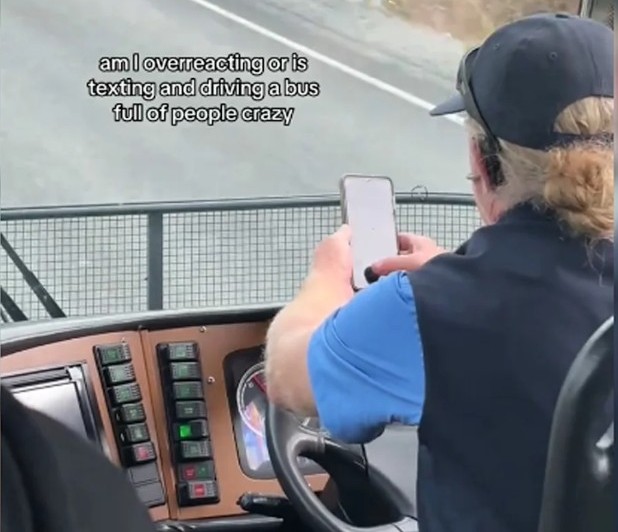
mobile driving

Why people take risks

Understanding why people take risks gives a clue to how to reduce risk taking behaviours. Here’s a starter;

Complacency: Repeatedly performing a dangerous task without a negative consequence leads the brain to recalibrate “danger” as “normal.”

Competing Priorities: Individuals often prioritise efficiency, production pressure, or social pressure (looking “uncool”) over safety.

Cognitive Shortcuts: If a risk hasn’t resulted in a recent accident, people assume the risk is low or non-existent, especially if the risky action provides a “positive feeling” like speed or job satisfaction.

Ignorance: A simple lack of knowledge, skills, or mentoring prevents people from knowing how to perform an activity safely.


psyc

Psychological harm – how to deal with it.

We are defining psychological harm as bullying, harassment or work induced stress which is unreasonable, repeated and has the potential to cause serious mental harm.
In an employment setting, sexual and racial harassment is defined in the Employment Relations Act 2000. There is no definition of bullying so the courts have had to rely on WorkSafe guidance material. Worksafe define bullying as an action which is unreasonable, repeated and has the potential to cause serious mental harm. These criteria seem sound to us as well as tests of what constitutes bullying or harassment.
Given mental harm is typically invisible, this area is open to spurious claims from disaffected workers. On the other hand, many employers are not prepared to recognise and deal with mental harm.
The employer needs to be concerned with things related to the workplace. If there are factors outside of work, they are out of scope but perhaps very relevant – potentially more relevant than what is manifesting itself in the workplace.
If there are issues of psychosocial harm arising, there are courses of action available under the Health and Safety at Work Act 2015 or the Employment Relations Act 2000.
The HSWA requires a PCBU to eliminate harm or, if this is not possible, to minimise harm as far as reasonably practicable. “Elimination” will likely become an employment issue. But any lesser control is likely not to be “reasonably practicable” based on the proposed tests in legislation. It would require changes in the workplace or the individual’s employment conditions and thus likely be an employee relations issue. This is why we maintain psychological harm sits in the realm of HR not HSE, along with the fact that the procedures for managing this harm are part of an organisations management procedures.

solar panels

Common sense is a poor H&S policy

We smile when we see a sign claiming, “Our HSE policy is common sense.” Then, we grimace. Are these organizations brave, or simply ignorant?
While individuals bear the primary responsibility for their own safety, they do not carry that burden alone. Businesses that adopt a “common sense” policy make a fundamental mistake: they assume everyone possesses an equal measure of it. This policy functions perfectly until someone leaves their judgment at the gate and a serious accident occurs. An accident is a brutal, expensive lesson—a risk no responsible business should take.
The Illusion of Low-Risk Environments
Even office-based organizations—where the most critical risks seem to be RSI or paper cuts—cannot hide behind “common sense.” Every workplace harbours hidden dangers:
• Fire hazards and blocked exit routes.
• Faulty electrical appliances and data-cabling trip hazards.
• Traffic risks as workers navigate parking lots and commutes.
Relying on common sense suggests an organization has lost control of its critical risks. It indicates a leadership team that relies on luck or is simply too lazy to manage safety proactively.

Can you really D.I.Y with health and safety

The reality for many businesses is they can’t afford health and safety support so they do it themselves on a best endevours basis. What we recommend is you look at the following – and record it somewhere as you may need to demonstrate you have done it.
Identify and document your critical risks
Maybe do this with your workers to get their views.
The key question are
~ what is it that could be fatal or cause long term incapacity?
~ might this reasonably occur in the next 20 years?
You don’t want to have more than 5 – if you do, rank them.
Ask what you do to manage or control these risks
The key questions are
~ what are the controls and how do we know they are in place and working?
~ where they are not working, how do we fix it?
~ what extra could we be doing to further reduce the risk?
~ what is the plan for improving our controls – who and when?
Implement monitoring
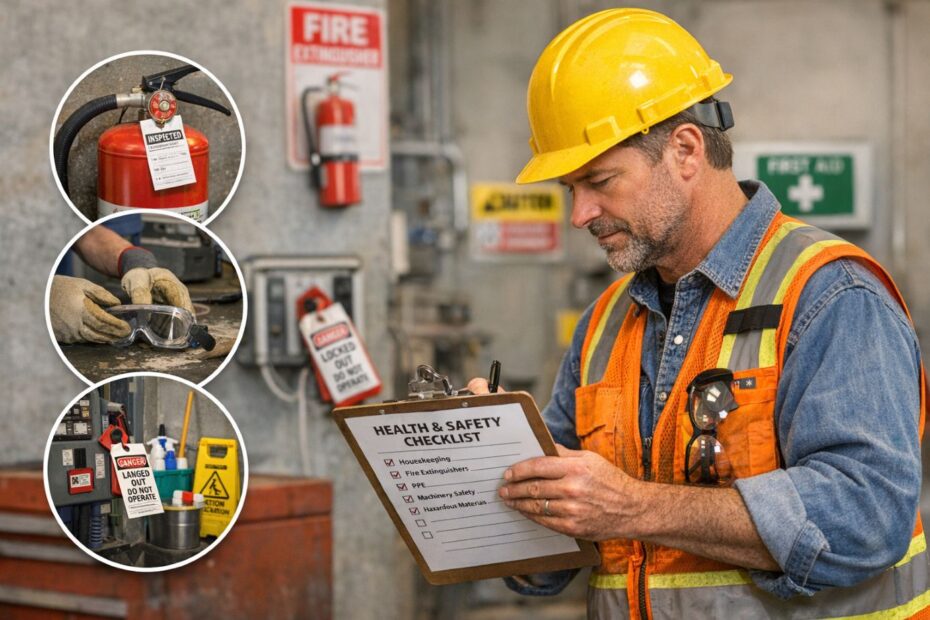
Develop a checklist of things you need to check to ensure controls for critical risks are in fact in place and working. Add anything else you might want to check like fire extinguishers, chemical storage etc.
Assign someone to do the checks (no less than quarterly) and keep a record.