
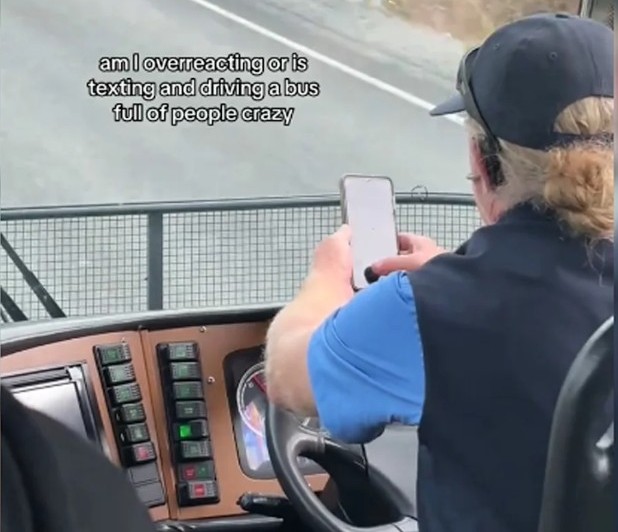
We are often asked why people take risks – and what can be done about it? To consider solutions we need to understand the cause. There are books on the subject but the need is for something succinct so we have put together our thinking in this paper. It is starting point for individual consideration or, better still, group discussion. Hopefully you identify things that can be done in your workplace to make it less likely people will take risks.
Why People Take Risks
Complacency: Repeatedly performing a dangerous task without a negative consequence leads the brain to recalibrate “danger” as “normal.”
Competing Priorities: Individuals often prioritise efficiency, production pressure (covering for downtime), or social pressure (fear of looking “uncool”) over safety.
Cognitive Shortcuts: If a risk hasn’t resulted in a recent accident, people assume the risk is low or non-existent, especially if the risky action provides a “positive feeling” like speed or job satisfaction.
Ignorance: A simple lack of knowledge, skills, or mentoring prevents people from knowing how to perform an activity safely.
Hopefully you identify things that can be done in your workplace to make it less likely people will take risks.