
What is happening in our health and safety in Auckland and beyond – common questions & latest trends
Click the link below to go to the listed article.
- SDS – a key to chemical safety
- Why workers may be incompetent
- Boosting worker engagement
- Health and safety overkill in NZ
- How do I handle a Worksafe visit?
- Cost of getting health and safety wrong
- Health and safety kill your business?
- Managing Health and safety information
- Stop wasting money on health and safety
- Why people take risks
- Psychological harm – how to deal with it.
- SSSP requirements in NZ explained
- Common sense is a poor H&S policy
- Psychosocial harm – what is it?
- Can you really D.I.Y with health and safety
- How law changes impact small business
Suggestions for additional articles? We would be happy to assist, just let us know what you want to know more about.
-
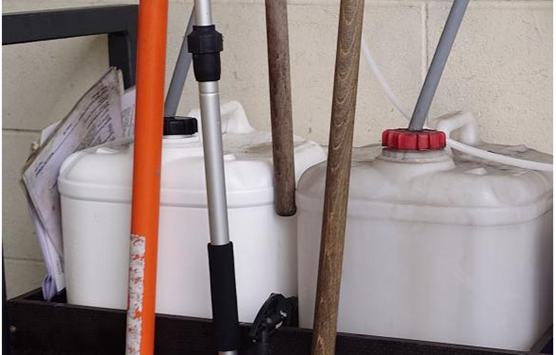
SDS – a key to chemical safety
The challenges SME face with SDS What are SDS for? Safety Data Sheets (SDS) are a key to chemical safety safety, providing information on the hazards associated with chemicals and the precautions required for their handling, storage, emergency response and disposal. The SDS deliver safety working together with labelling of containers. The SDS provides more […]
Read more: SDS – a key to chemical safety -

Why workers may be incompetent
What are the options for determining competence. Its not about attending a one day course One of the most common questions we get is when a refresh of a training course is required. The answer may be “never”. There are of no mandatory periods – for the simple reason that competence is developed in many ways, such as working on the job. Sitting in an NZQA endorsed course for 6 hours with virtually everyone passing is not proof of competence. We get asked about “Work and Height” training – but there is no one qualification for this. We get asked…
Read more: Why workers may be incompetent -
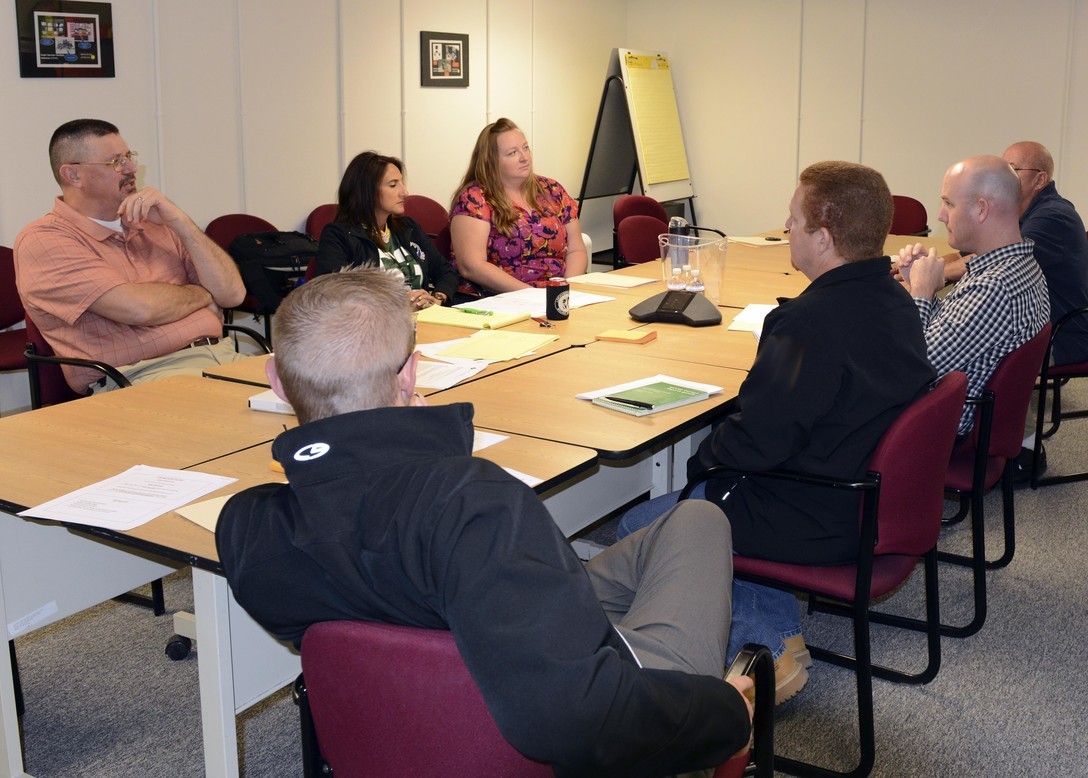
Boosting worker engagement
Why bother with worker engagement It builds a culture of shared responsibility for health and safety Engagement in health and safety builds a culture of shared responsibility by encouraging everyone to actively identify risks, speak up about concerns, and contribute to safer ways of working. When employees are involved in health and safety decisions, safety […]
Read more: Boosting worker engagement -
Health and safety overkill in NZ
Health and Safety “Overkill” … the Data Suggests Most SMEs Aren’t Doing Enough In New Zealand, complaints about “health and safety overkill” have become almost cultural shorthand. Stories circulate about ladders being banned, paperwork multiplying, and small business owners feeling buried under compliance requirements that seem disconnected from real-world risk. Current state of H&S in […]
Read more: Health and safety overkill in NZ -

How do I handle a Worksafe visit?
Common concerns “A Worksafe visit can only be bad news” – is the common reaction to Worksafe visit. Concern with the business impact leads to common questions including: Practical Tips During a WorkSafe Visit To be fair a Worksafe visit is the regulator is checking compliance or investigating a serious incident. But it also serves […]
Read more: How do I handle a Worksafe visit? -

Cost of getting health and safety wrong
Navigating the complex landscape of Health and Safety (H&S) in New Zealand isn’t just a matter of “doing the right thing”—it’s about managing a rigorous legal framework that demands precision. For businesses in Auckland and across the country, the cost of a misstep often far outweighs the investment in professional guidance. It is easy and expensive to get it wrong. The documents are long and technical. Therefore, seeking specialist advice is crucial for ensuring health and safety performance and compliance for businesses in Auckland and throughout NZ.. Naturally we recommend the Winsland team.
Read more: Cost of getting health and safety wrong -
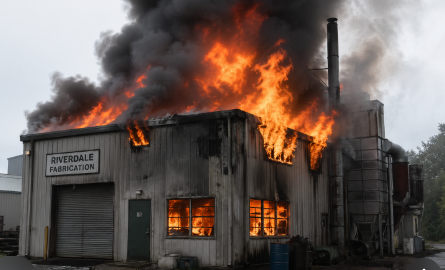
Health and safety kill your business?
There is a common misconception among small business owners (SMEs) that Health and Safety (H&S) is a “big company problem.” Many believe that with fewer employees and less complex operations, the risks are negligible. However, the reality in New Zealand tells a different story. Whether you are a retail shop, a small construction company, or a family-owned workshop, Health and Safety is not just a legal obligation—it is a critical factor in business survival.
Read more: Health and safety kill your business? -
Managing Health and safety information
Managing health and safety paperwork needs to be a balance between what is desirable and what is practical. You need documentation to: • record what has been done • track what still needs to be done • communicate clearly with your team The real question isn’t whether paperwork should exist — it’s how do you manage it efficiently in a digital world? Winsland have taken these challenges and built a system designed specifically for small and medium-sized businesses. Managing health and safety information is now simpler and more practical for all users. And its FREE.
Read more: Managing Health and safety information -

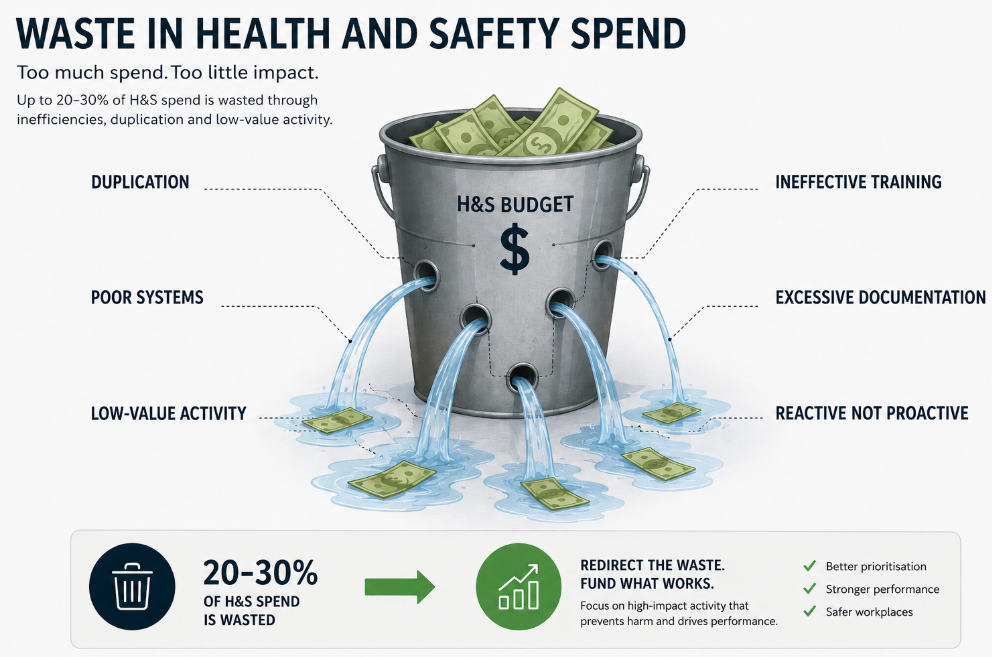
Stop wasting money on health and safety
Targeting health and safety spend so it is effective (optimises safety and ensures compliance) and strategic (enhances the business). Understanding health and safety cost is essential for organisations aiming to make informed decisions. At face value, implementing safety measures, training, equipment, and maintaining compliance do drive direct costs that impact the bottom line. So targeting health and safety spending is critical to the success of a business. Only spending on safety after an incident occurs (e.g., legal fees, compensation, fines) is often far more expensive than proactive prevention.
Read more: Stop wasting money on health and safety -
Why people take risks
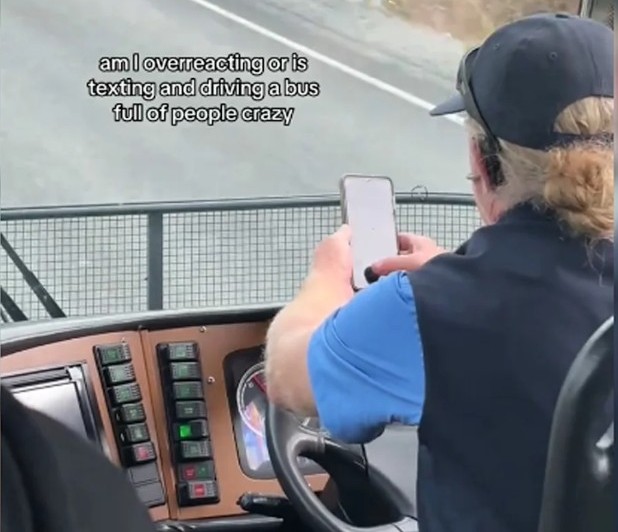
Understanding why people take risks gives a clue to how to reduce risk taking behaviours. Here’s a starter; Complacency: Repeatedly performing a dangerous task without a negative consequence leads the brain to recalibrate “danger” as “normal.” Competing Priorities: Individuals often prioritise efficiency, production pressure, or social pressure (looking “uncool”) over safety. Cognitive Shortcuts: If a risk hasn’t resulted in a recent accident, people assume the risk is low or non-existent, especially if the risky action provides a “positive feeling” like speed or job satisfaction. Ignorance: A simple lack of knowledge, skills, or mentoring prevents people from knowing how to perform…
Read more: Why people take risks -

Psychological harm – how to deal with it.
We are defining psychological harm as bullying, harassment or work induced stress which is unreasonable, repeated and has the potential to cause serious mental harm. In an employment setting, sexual and racial harassment is defined in the Employment Relations Act 2000. There is no definition of bullying so the courts have had to rely on WorkSafe guidance material. Worksafe define bullying as an action which is unreasonable, repeated and has the potential to cause serious mental harm. These criteria seem sound to us as well as tests of what constitutes bullying or harassment. Given mental harm is typically invisible, this…
Read more: Psychological harm – how to deal with it. -
SSSP requirements in NZ explained
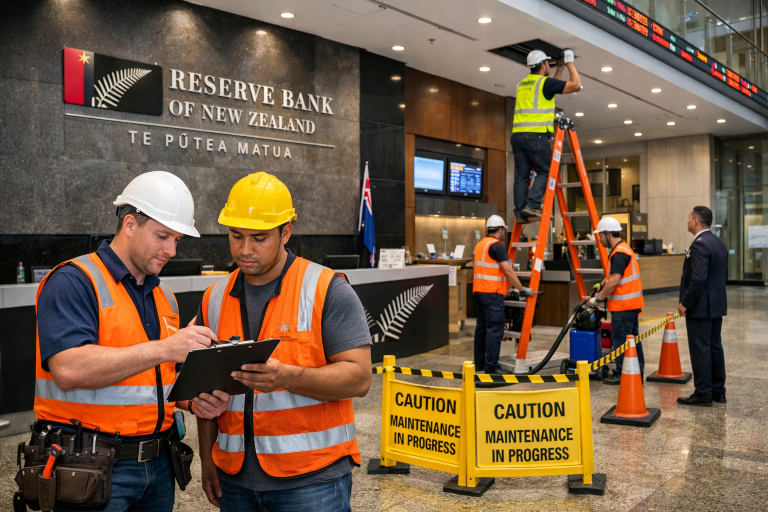
What makes a good SSSP? SSSP need to reflect the specific site – that’s why there are 3 “S’s”. Too many contractors roll out the same material for every site. It’s ok to use a standard risk register as a baseline but remove what is irrelevant. Reviewers don’t appreciate reading through things that don’t apply. And ensure the site-specific risks are both included and appropriately worded in the risk register. Further, ensure the risks / hazards advised by the main contractor are included. Same with Safe Work Procedures – ensure they describe the work accurately. Ensuring workers are competent is…
Read more: SSSP requirements in NZ explained -

Common sense is a poor H&S policy
We smile when we see a sign claiming, “Our HSE policy is common sense.” Then, we grimace. Are these organizations brave, or simply ignorant? While individuals bear the primary responsibility for their own safety, they do not carry that burden alone. Businesses that adopt a “common sense” policy make a fundamental mistake: they assume everyone possesses an equal measure of it. This policy functions perfectly until someone leaves their judgment at the gate and a serious accident occurs. An accident is a brutal, expensive lesson—a risk no responsible business should take. The Illusion of Low-Risk Environments Even office-based organizations—where the…
Read more: Common sense is a poor H&S policy -
Psychosocial harm – what is it?
Psycho social harm typically refers to harm arising from things such as the organisation of work and the work environment, which may cause harm or distress and thus a threat to health and safety. It features issues such as bullying, harassment or conflict, employee performance and even remuneration – all issues typically handled by HR. In our view, that is where they belong. That’s ok if you are a large company – but that is not 90% + of NZ businesses. SME are reliant on expert advice from organisations such as Winsland. Psychosocial harm is the latest trend in H&S…
Read more: Psychosocial harm – what is it? -
Can you really D.I.Y with health and safety
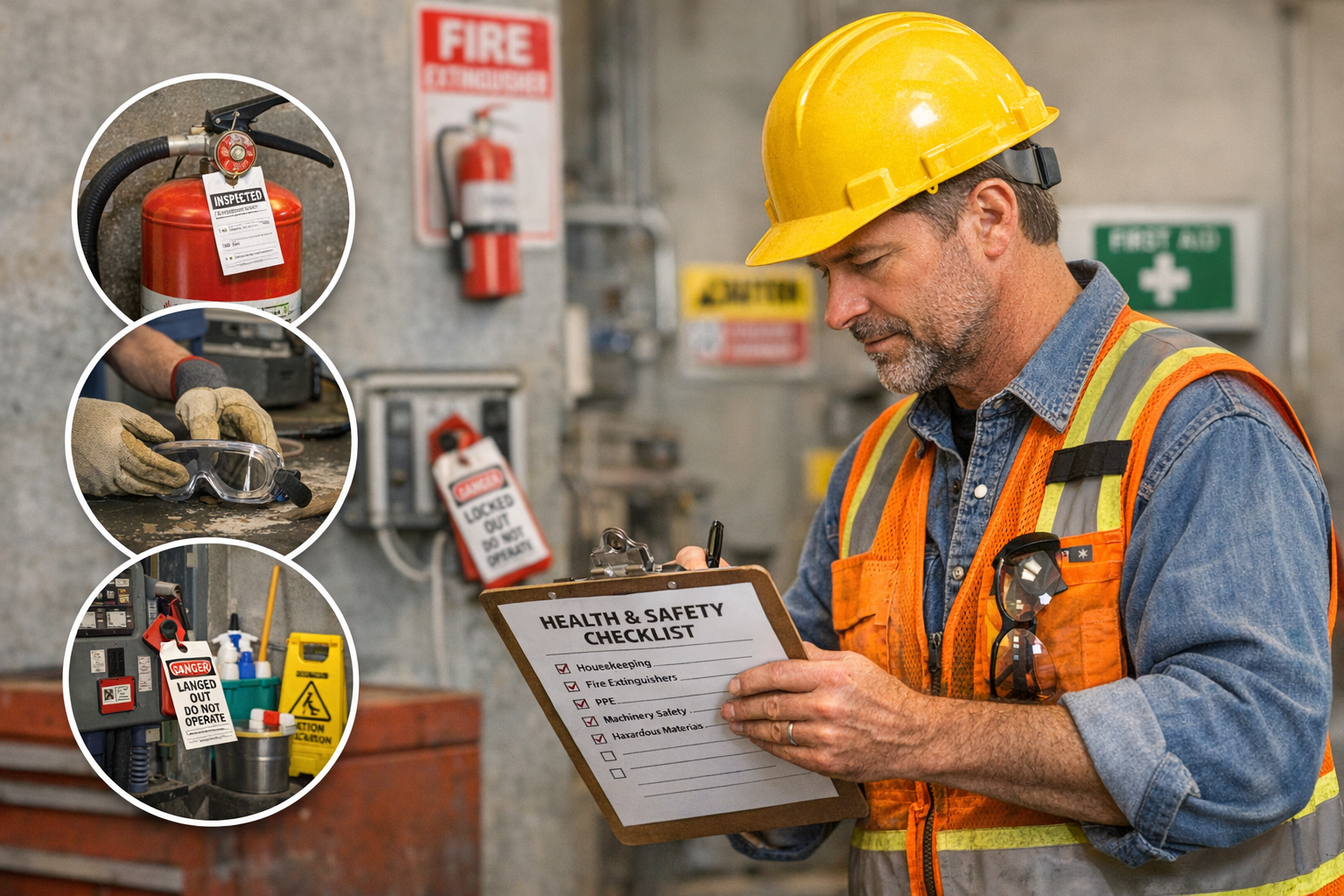
The reality for many businesses is they can’t afford health and safety support so they do it themselves on a best endevours basis. What we recommend is you look at the following – and record it somewhere as you may need to demonstrate you have done it. Identify and document your critical risks Maybe do this with your workers to get their views. The key question are ~ what is it that could be fatal or cause long term incapacity? ~ might this reasonably occur in the next 20 years? You don’t want to have more than 5 – if…
Read more: Can you really D.I.Y with health and safety -

How law changes impact small business
There are two aspects that small business should understand – critical risk and approved codes of practice (ACOPs). The change is essentially that small business does not need to worry about risks that are not critical. This means they need to be clear on what is “Critical”. Following an ACOP will be evidence of compliance. However, ACOP are non-binding and you can achieve compliance through other means. Bottom line business needs to know and apply all of the ACOP relevant to their operations.
Read more: How law changes impact small business