Understanding why people take risks gives a clue to how to reduce risk taking behaviours. Here’s a starter;
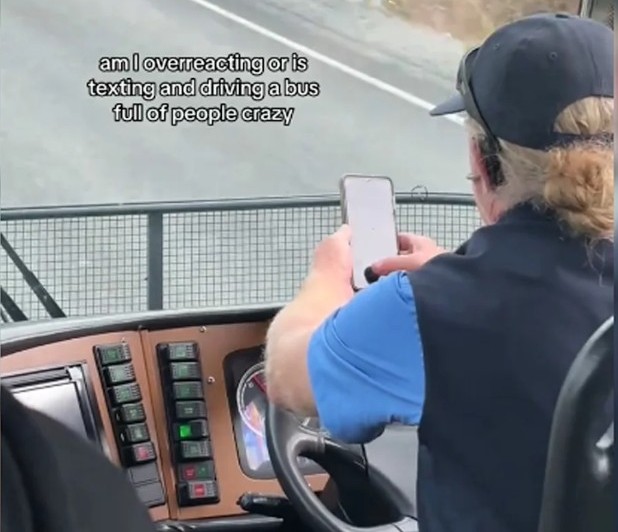
Complacency: Repeatedly performing a dangerous task without a negative consequence leads the brain to recalibrate “danger” as “normal.”
Competing Priorities: Individuals often prioritise efficiency, production pressure, or social pressure (looking “uncool”) over safety.
Cognitive Shortcuts: If a risk hasn’t resulted in a recent accident, people assume the risk is low or non-existent, especially if the risky action provides a “positive feeling” like speed or job satisfaction.
Ignorance: A simple lack of knowledge, skills, or mentoring prevents people from knowing how to perform an activity safely.