
Skip to content

Labelling hazardous substances

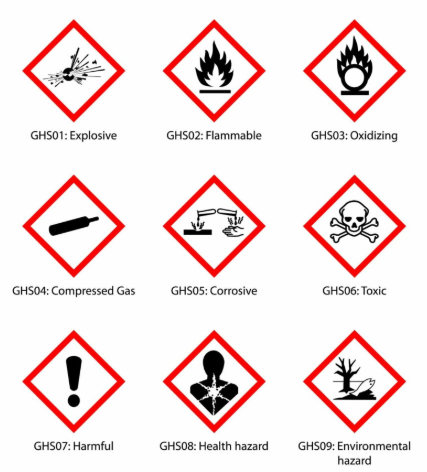
Labelling is often where chemical management systems break down and there is a failure to manage the hazards associated with chemicals .
What are the options for chemical labelling?

When a substance is transferred into another container, responsibility for maintaining appropriate labelling generally falls on the user.

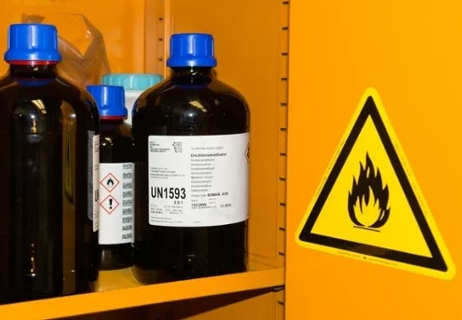
As part of managing the hazards associated with chemicals, products supplied by manufacturers or distributors should already be appropriately labelled. However, when the substance is no longer in the original container, businesses must ensure the necessary hazard information remains available.

Where a substance is decanted into another container and remains under the immediate control of the person using it, full secondary labelling may not always be necessary. However, containers used for storage or shared use should be appropriately labelled.

Businesses occasionally encounter products with incomplete or non-compliant labelling, particularly imported products or products transferred between suppliers. Manufacturers and suppliers are responsible for correctly labelling the products they sell.

Users may also unintentionally obscure labels by how containers are stored or positioned during use.

However, the most common issue arises when chemicals are decanted from their original container into another container.

For more information – https://winsland.co.nz/labelling-hazardous-substances/
Managing Hazardous substances

Managing hazardous substances?

We are often asked what is required for managing hazardous substances. There are so many regulations, lots of numbers and letters. The article has a checklist for you.
The classification and quantity determines what is required.

WorkSafe’s Hazardous Substances Calculator builds your inventory and tells you which controls apply — it is one way to find out exactly what you need to do. Unfortunately, it is not user friendly in that it does not use commercial names, does not deal well with “mixtures” and requires a HSNO number which not all SDS provide. Winsland’s comprehensive guide provides an easy and comprehensive alternative.

All about Safety Data Sheets (SDS)?

Safety Data Sheets (SDS) are a key to chemical safety safety, providing information on the hazards associated with chemicals and the precautions required for their handling, storage, emergency response and disposal.

The SDS deliver safety working together with labelling of containers. The SDS provides more detailed information than, the product label. But the label is more visible and immediately accessible, while the SDS provides the supporting detail.

When examining issues with SDS, it is important to consider labelling as well. Organisations often have the required SDS available—possibly dog-eared and covered in workshop grime—but fall short when it comes to ensuring containers are correctly labelled.