
Skip to content

Health and safety overkill

The evidence is difficult to ignore. New Zealand continues to record workplace harm rates that compare poorly with many other developed countries. Workers are still being seriously injured or killed in preventable incidents across construction, agriculture, manufacturing, transport, forestry, and trades.
The deeper issue is capability. Most SMEs do not employ health and safety professionals. Owners wear multiple hats — operations, sales, staffing, finance, compliance — and health and safety becomes another competing demand in an already stretched week. When margins are tight, investing in proper systems, training, or external expertise can feel difficult to justify, particularly when the return is measured in incidents that hopefully never happen. Cost is part of the problem, but priority is often the bigger issue.

There is also a misconception that effective health and safety must be complex. In reality, for most SMEs, good practice is surprisingly simple and practical
The challenge is helping SMEs bridge the gap between legal obligation and practical implementation. Many need support that is affordable, industry-specific, and grounded in reality rather than compliance theatre. Regulators, industry bodies, insurers, and consultants all have a role to play in making competent guidance more accessible and less intimidating.
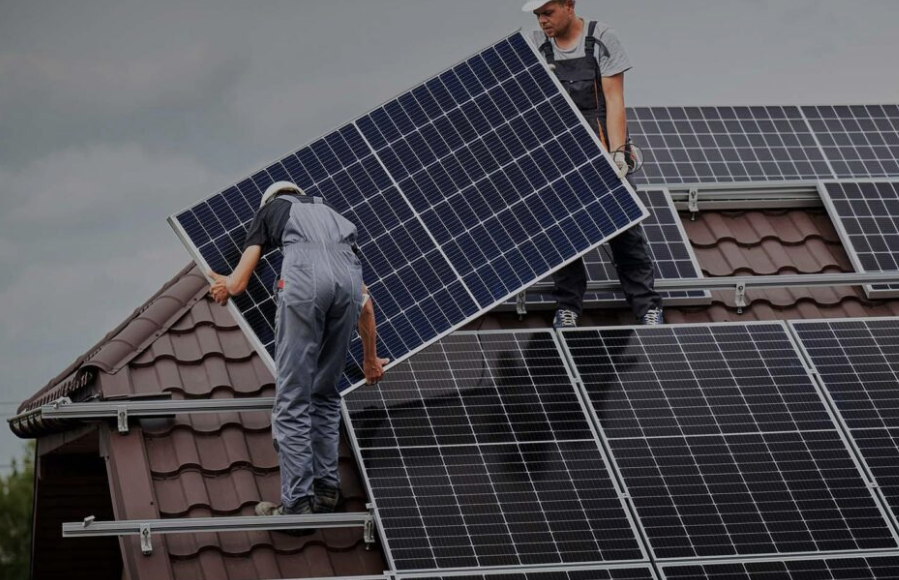
solar panels

Common sense is a poor H&S policy

We smile when we see a sign claiming, “Our HSE policy is common sense.” Then, we grimace. Are these organizations brave, or simply ignorant?
While individuals bear the primary responsibility for their own safety, they do not carry that burden alone. Businesses that adopt a “common sense” policy make a fundamental mistake: they assume everyone possesses an equal measure of it. This policy functions perfectly until someone leaves their judgment at the gate and a serious accident occurs. An accident is a brutal, expensive lesson—a risk no responsible business should take.
The Illusion of Low-Risk Environments
Even office-based organizations—where the most critical risks seem to be RSI or paper cuts—cannot hide behind “common sense.” Every workplace harbours hidden dangers:
• Fire hazards and blocked exit routes.
• Faulty electrical appliances and data-cabling trip hazards.
• Traffic risks as workers navigate parking lots and commutes.
Relying on common sense suggests an organization has lost control of its critical risks. It indicates a leadership team that relies on luck or is simply too lazy to manage safety proactively.

Can you really D.I.Y with health and safety

The reality for many businesses is they can’t afford health and safety support so they do it themselves on a best endevours basis. What we recommend is you look at the following – and record it somewhere as you may need to demonstrate you have done it.
Identify and document your critical risks
Maybe do this with your workers to get their views.
The key question are
~ what is it that could be fatal or cause long term incapacity?
~ might this reasonably occur in the next 20 years?
You don’t want to have more than 5 – if you do, rank them.
Ask what you do to manage or control these risks
The key questions are
~ what are the controls and how do we know they are in place and working?
~ where they are not working, how do we fix it?
~ what extra could we be doing to further reduce the risk?
~ what is the plan for improving our controls – who and when?
Implement monitoring
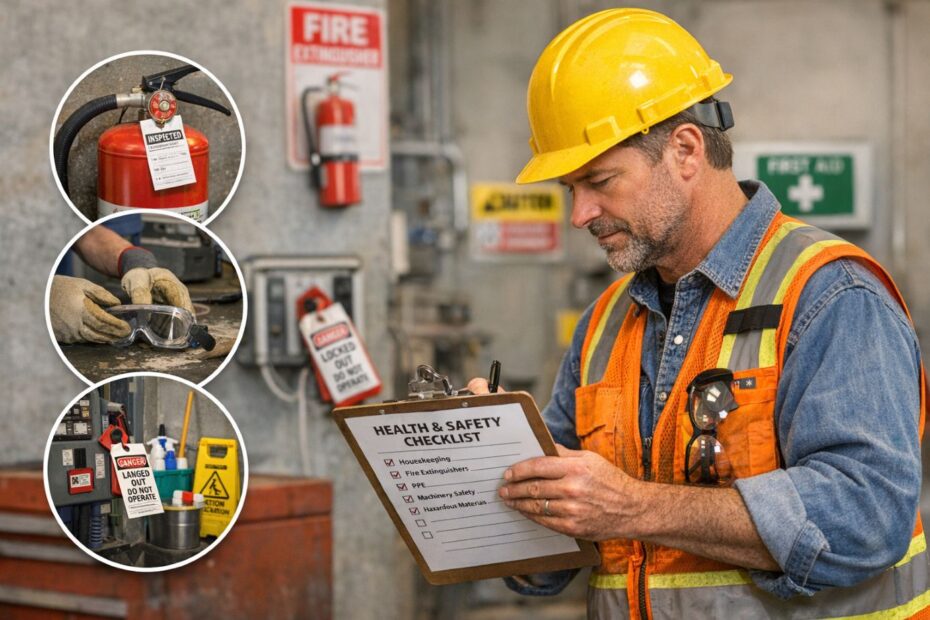
Develop a checklist of things you need to check to ensure controls for critical risks are in fact in place and working. Add anything else you might want to check like fire extinguishers, chemical storage etc.
Assign someone to do the checks (no less than quarterly) and keep a record.