Skip to content

Can you really D.I.Y with health and safety

The reality for many businesses is they can’t afford health and safety support so they do it themselves on a best endevours basis. What we recommend is you look at the following – and record it somewhere as you may need to demonstrate you have done it.
Identify and document your critical risks
Maybe do this with your workers to get their views.
The key question are
~ what is it that could be fatal or cause long term incapacity?
~ might this reasonably occur in the next 20 years?
You don’t want to have more than 5 – if you do, rank them.
Ask what you do to manage or control these risks
The key questions are
~ what are the controls and how do we know they are in place and working?
~ where they are not working, how do we fix it?
~ what extra could we be doing to further reduce the risk?
~ what is the plan for improving our controls – who and when?
Implement monitoring
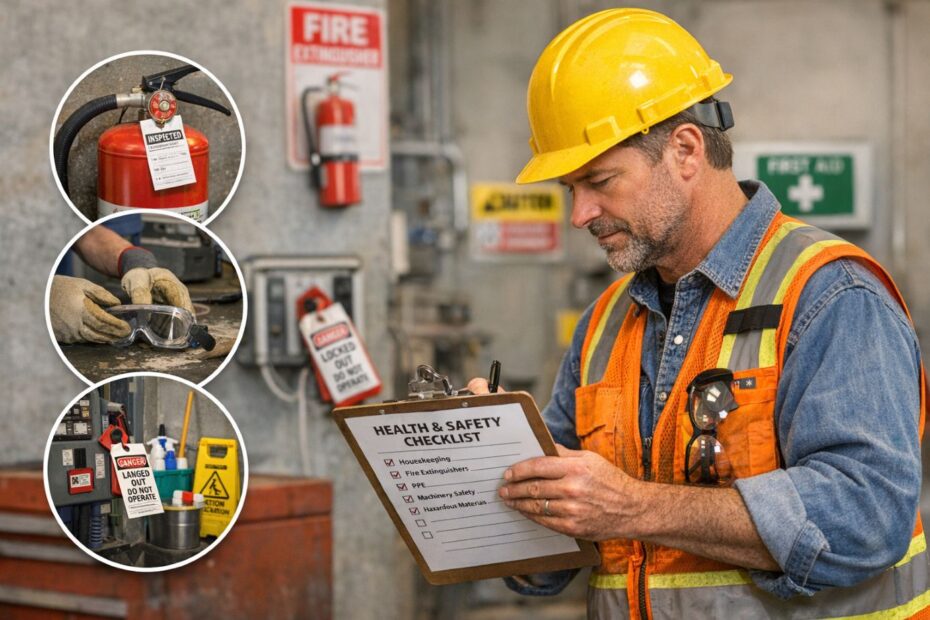
Develop a checklist of things you need to check to ensure controls for critical risks are in fact in place and working. Add anything else you might want to check like fire extinguishers, chemical storage etc.
Assign someone to do the checks (no less than quarterly) and keep a record.

brooke baby

How law changes impact small business

There are two aspects that small business should understand – critical risk and approved codes of practice (ACOPs).
The change is essentially that small business does not need to worry about risks that are not critical. This means they need to be clear on what is “Critical”.

Following an ACOP will be evidence of compliance. However, ACOP are non-binding and you can achieve compliance through other means. Bottom line business needs to know and apply all of the ACOP relevant to their operations.