
Design Risk Assessment
Installing a new facility or equipment? You may need a Design Risk Assessment (DRA).
Building a new facility, procuring or installing new equipment can introduce risks that are difficult or expensive to control once a project is underway.
The Health and Safety at Work Act 2015 places specific duties on PCBUs involved in the design, manufacture, import, supply, installation, construction and commissioning of plant and structures. A Design Risk Assessment is one practical way of identifying and addressing those risks during the design and project process.
Fundamentally, DRA is the front end of the process for ensuring safety across the lifecycle of an installation, construction project, or commissioning of plant or structures.
Planning a new build, installation or major equipment project?
Winsland can help you establish and manage the Design Risk Assessment process, working with designers, engineers, contractors, suppliers and the people who will ultimately use the facility or equipment.
Talk to Winsland about your DRAWhy do I need a DRA?
The earlier risks are identified in a project, the more options there are for eliminating or reducing them.
Design decisions can affect workers, contractors, operators, maintenance personnel and others throughout the life of a facility or piece of equipment.
A DRA provides a structured way to identify those risks and consider how they can be eliminated or reduced through design, procurement, installation, commissioning and ongoing operation.
Don’t wait until equipment is installed or construction is complete to discover that a significant risk could have been designed out.
What is the role of designers?
Designers can have a significant influence on Health and Safety because many risks are determined by decisions made during the design process.
This can include the design of buildings and structures, plant and machinery, production systems, access arrangements, maintenance requirements, guarding, isolation arrangements and other features that affect how the finished facility or equipment will be used.
Who counts as a designer?
A designer is not necessarily just the person who produces the drawings.
Depending on the project, the role may involve architects, engineers, equipment designers, manufacturers, specialist consultants or others who make decisions that affect the design of plant, structures or systems.
The important issue is what role the PCBU is undertaking and what influence they have over the design.
What is the role of the person commissioning or installing a facility or equipment?
Health and Safety considerations do not stop with the designer.
People involved in construction, installation, commissioning and implementation also have responsibilities to consider the risks associated with the work they undertake and the plant or structures they are dealing with.
This is particularly important where changes are made during construction or installation, where the final configuration differs from the original design, or where hazards become apparent during commissioning.
Designer duties under the Health and Safety at Work Act
The Health and Safety at Work Act 2015 establishes duties for PCBUs involved in designing, manufacturing, importing, supplying, installing and constructing plant and structures.
For designers, the central requirement is to ensure, so far as is reasonably practicable, that the plant or structure is designed without risks to the health and safety of people who are likely to use, handle, store, construct or carry out reasonably foreseeable activities involving it.
Core principles of Design Risk Assessment
-
Eliminate risks so far as reasonably practicable
Consider whether the risk can be removed through the design rather than relying solely on procedures, training or PPE. -
Consider the entire lifecycle
Think beyond construction or installation. Consider operation, cleaning, inspection, maintenance, repair, modification and eventual removal. -
Provide information about residual risks
Where risks cannot be eliminated, the people who will operate, maintain or work with the plant or structure need appropriate information about the remaining risks. -
Undertake analysis and testing
Appropriate analysis, testing and verification should be used to demonstrate that significant risks have been properly considered and controlled. -
Consult and coordinate with other PCBUs
Projects commonly involve multiple PCBUs. Designers, clients, contractors, suppliers and users need to communicate and coordinate where their duties overlap. -
Maintain evidence
Keep appropriate records showing how significant risks were identified, considered and addressed through the design and project process.
What WorkSafe expects from a Design Risk Assessment
There is no single prescribed DRA form that will suit every project.
The process should be proportionate to the nature of the project and the risks involved. A simple equipment installation may require a very different approach from a major construction or automated production project.
A useful DRA should demonstrate that significant risks have been identified, considered and addressed at the appropriate stage of the project.
Identify
Identify hazards and risks associated with the proposed design, installation and intended use.
Control
Apply the hierarchy of controls, with priority given to eliminating or reducing risks through design.
Consult
Involve the people who understand the design, construction, operation, maintenance and practical use of the facility or equipment.
Record
Document the decisions, actions, residual risks and information that needs to be carried forward into the next stage.
Useful NZ guidance
The DRA process should be considered alongside relevant New Zealand Health and Safety guidance, standards and engineering requirements applicable to the particular project.
- WorkSafe New Zealand – Health and Safety by Design guidance
- WorkSafe New Zealand – Designers, manufacturers, importers and suppliers guidance
- Engineering New Zealand – guidance relevant to engineering design and risk
Design Risk Assessment in practice
A DRA is most useful when it becomes part of the project rather than a document completed at the end.
Winsland has supported organisations where the DRA process needed to work across design, procurement, factory acceptance, installation, commissioning and handover.
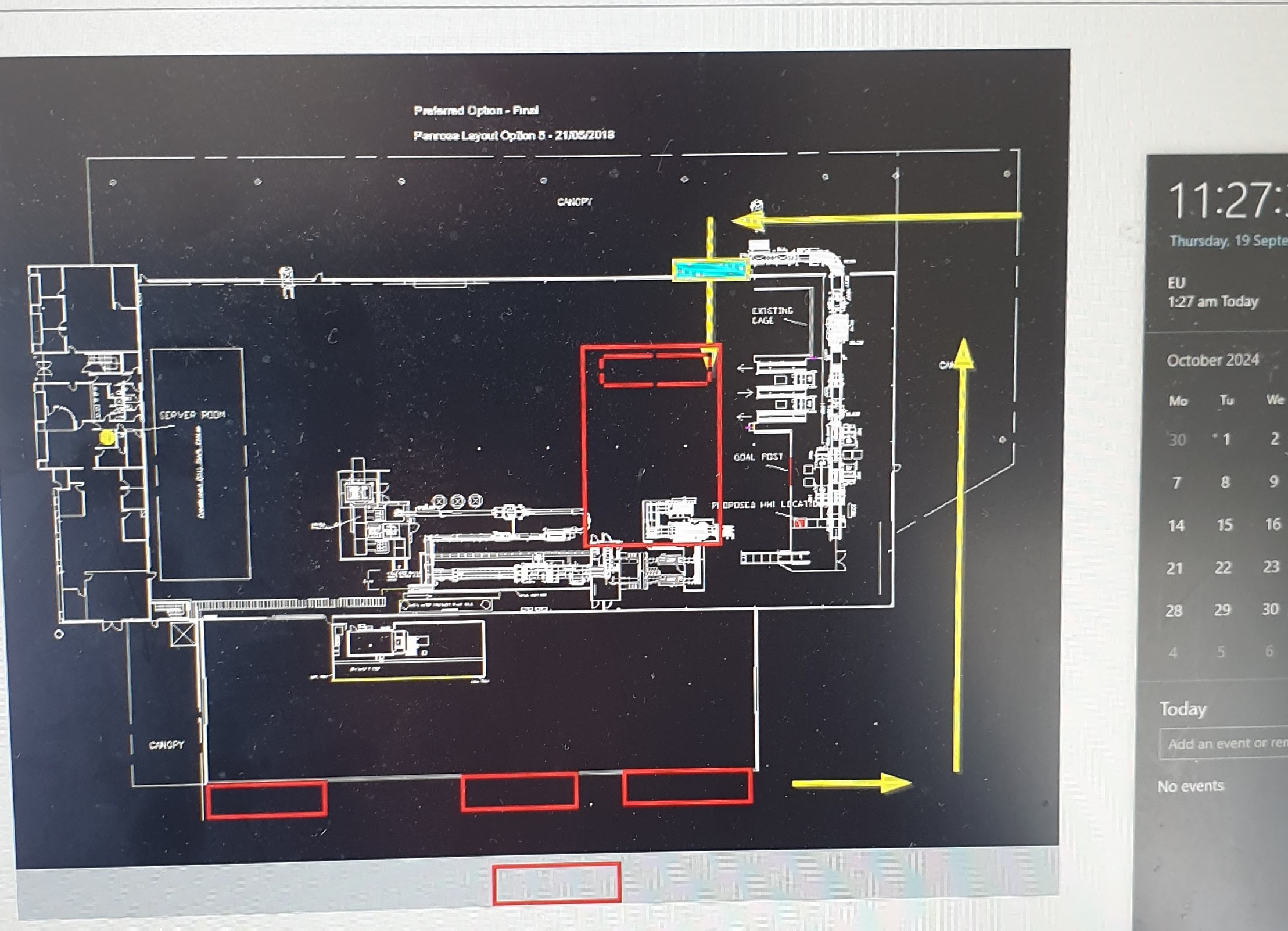
CHEP – major equipment installation projects
Winsland was engaged to run the Design Risk Assessment process for several major equipment installation projects, with robotics being a key feature.
The process used templates from parent company Brambles and incorporated Health and Safety expertise across the Design, Factory & Site Acceptance, Implementation and Handover phases.
elwyn Foundation
Selwyn Foundation – facility extensions
Winsland worked with the construction team, architects, users and designated construction firm on facility extensions at retirement village complexes in Papakura and Point Chevalier, Auckland.
Winsland helped design and implement the DRA process to identify risks early, optimise the design and minimise risk through the project.
The resulting process was subsequently used by Selwyn and adopted by designers involved in the work.
DRA works best when it starts early
Getting Health and Safety involved after the design is finished can leave limited options for dealing with significant risks. Bringing the process into the project early gives the design team more opportunity to eliminate or reduce risks before they become expensive to fix.
Talk to Winsland about your projectLaunching a new build or project?
If you’re building a new facility, installing significant equipment or undertaking a major project, Health and Safety by Design should be considered from the start.
Winsland can support the DRA process and help coordinate the Health and Safety considerations across the project team.
Contact Winsland about your DRAFrequently asked questions
What is a Design Risk Assessment?
A Design Risk Assessment is a structured process for identifying and addressing Health and Safety risks arising from the design of plant, structures, facilities or systems.
Is a Design Risk Assessment legally required in New Zealand?
The Health and Safety at Work Act 2015 places specific duties on PCBUs involved in the design, manufacture, import, supply, installation and construction of plant and structures. The particular assessment and documentation needed will depend on the project and the duties that apply.
When should a DRA be completed?
Design risks should be considered as early as possible and reviewed as the project develops. Starting early gives the project team the greatest opportunity to eliminate or reduce risks through design.
Who should be involved in a DRA?
Depending on the project, this may include designers, engineers, clients, contractors, installers, suppliers, operators, maintenance personnel and other people with relevant knowledge of the work.
Can Winsland manage the DRA process?
Yes. Winsland can provide Health and Safety expertise, facilitate the DRA process and work with the project team to identify, assess and address design-related risks.